Introduction
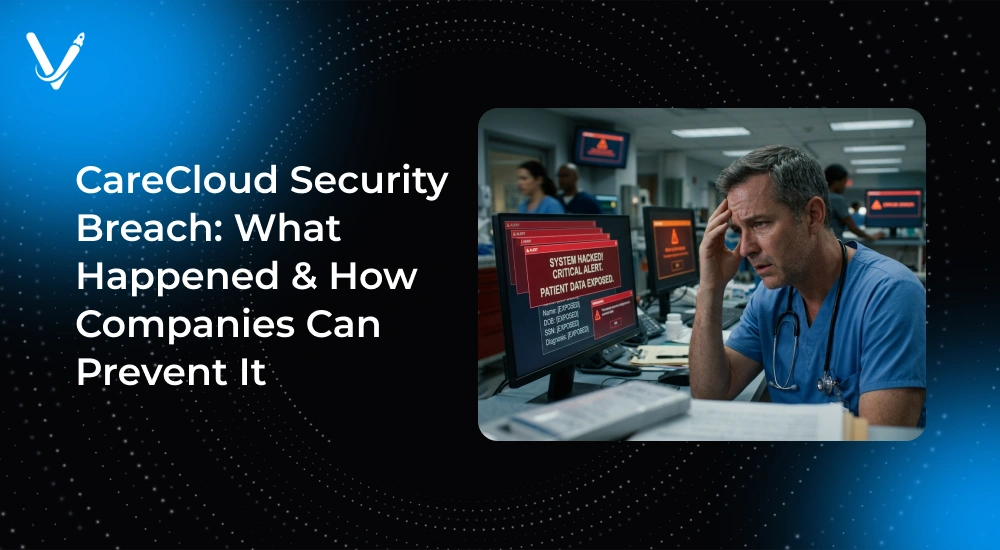
The healthcare industry has become one of the most targeted sectors for cyberattacks, largely due to the volume and sensitivity of patient data it manages. The recent CareCloud security breach is another reminder that even established healthcare technology platforms are not immune to evolving threats.
As digital health systems like carecloud ehr and cloud-based tools continue to grow, the risk surface expands alongside them. This incident highlights the urgent need for stronger cybersecurity practices, not only to protect data but also to maintain trust in digital healthcare systems.
What Happened in the CareCloud Security Breach
CareCloud, a provider of cloud-based healthcare solutions, experienced a cybersecurity incident where unauthorized actors gained access to parts of its systems. Reports indicate that attackers were able to extract sensitive information, raising concerns among healthcare providers and patients alike.
While full technical disclosures remain limited, such breaches typically involve compromised credentials, system vulnerabilities, or phishing-based entry points. Platforms accessed through carecloud login portals are often targeted because they act as gateways to large volumes of structured medical data.
The breach quickly gained attention because of the scale and sensitivity of the data involved, making it a significant event within healthcare cybersecurity discussions.
What Type of Data Was Exposed
One of the most concerning aspects of the breach is the nature of the data potentially exposed. Healthcare platforms store a wide range of personally identifiable and medical information, making them highly valuable to attackers.
The compromised data may include:
- Patient names and contact information
- Medical histories and treatment records
- Billing and insurance details
- In some cases, social security numbers
Such data is particularly dangerous because it cannot be easily changed. Unlike passwords, medical records and identity details remain constant, increasing long-term risk for affected individuals.
Why Healthcare Systems Like CareCloud Are Targeted
Healthcare platforms are attractive targets for cybercriminals due to both the value of their data and the complexity of their systems. Tools like the carecloud app and integrated cloud solutions centralize large datasets, making them efficient but also vulnerable if not properly secured.
Attackers often focus on healthcare for several reasons:
- Medical data is more valuable than financial data on the black market
- Many systems rely on legacy infrastructure combined with modern cloud tools
- High operational pressure makes security updates harder to prioritize
As more organizations adopt digital tools and enable features like carecloud download for remote access, maintaining consistent security becomes more challenging.
Risks for Patients and Healthcare Providers
The impact of a healthcare data breach goes beyond immediate financial loss. It creates long-term risks for both individuals and organizations.
For patients, exposed data can lead to identity theft, insurance fraud, or unauthorized medical claims. The inclusion of sensitive identifiers like social security details increases the severity of these risks.
For healthcare providers, the consequences are broader. These include regulatory penalties, legal liabilities, operational disruption, and loss of patient trust. Negative sentiment reflected in carecloud reviews following such incidents can also damage brand reputation and customer retention.
Possible Security Gaps
While it is important not to assign direct blame without full technical details, most healthcare breaches tend to share common underlying weaknesses.
One key issue is insufficient access control. If login systems are not secured with multi-factor authentication, attackers can exploit weak credentials. Systems accessed via carecloud login portals must be continuously monitored and protected.
Another common gap is delayed patching of known vulnerabilities. Healthcare systems often operate in complex environments where updates are postponed to avoid downtime, unintentionally leaving entry points open.
Lack of real-time monitoring is also a major factor. Without proper detection tools, unauthorized activity can go unnoticed long enough for data extraction to occur.
How Healthcare Companies Can Prevent Such Breaches
Preventing incidents like the CareCloud breach requires a proactive and layered approach to cybersecurity. Healthcare organizations must shift from reactive fixes to continuous risk management.
Key preventive measures include:
- Implementing strong authentication systems such as multi-factor authentication
- Conducting regular vulnerability assessments and penetration testing
- Encrypting sensitive data both at rest and in transit
- Training employees to recognize phishing and social engineering attacks
These steps create multiple layers of defense, making it significantly harder for attackers to gain access or extract valuable data.
Role of Modern Technologies in Healthcare Security
Modern cybersecurity is increasingly driven by advanced technologies that go beyond traditional defenses. AI-based threat detection systems can analyze patterns and identify unusual behavior in real time, helping prevent breaches before they escalate.
Zero Trust architecture is another critical approach. Instead of assuming that users inside the network are safe, it requires continuous verification for every access request. This reduces the risk of internal or credential-based attacks.
Encryption remains a foundational element. Even if data is accessed, properly encrypted information cannot be easily used or monetized. These technologies collectively create a more resilient security framework for platforms like carecloud ehr.
Best Practices for Secure Healthcare Software
Building secure healthcare software requires integrating security into every stage of development and deployment. It is not enough to add security features after the system is live.
Applications such as the carecloud app must follow secure coding standards, protect APIs, and ensure safe data transmission. Regular audits should be conducted to identify and resolve vulnerabilities early.
Additionally, access points like carecloud download features must be secured to prevent unauthorized distribution or tampering. Strong identity management systems should be in place to ensure only verified users can interact with sensitive data.
What Businesses Should Learn from CareCloud
The CareCloud breach serves as a broader lesson for healthcare organizations and technology providers. It demonstrates that cybersecurity is not a one-time investment but an ongoing process that requires continuous attention.
Organizations should recognize that growth in digital capabilities must be matched by growth in security measures. As systems become more interconnected, the potential impact of a breach increases significantly.
Businesses must also understand the importance of transparency and communication. Clear responses to incidents help maintain trust and demonstrate accountability, which is essential in healthcare environments.
Conclusion
The CareCloud security breach is a clear example of the risks associated with modern healthcare technology. As organizations continue to adopt digital platforms, the importance of strong cybersecurity becomes even more critical.
Protecting patient data is not just a technical requirement but a responsibility that directly impacts trust and safety. By investing in proactive security measures, adopting modern technologies, and maintaining continuous vigilance, healthcare companies can significantly reduce their risk of future breaches.
The focus should not be on reacting to incidents but on building systems that are resilient by design.
At Vasundhara Infotech LLP, we help healthcare organizations build secure, scalable, and compliant digital systems. If you want to identify vulnerabilities and protect your patient data effectively, connect with our team for a professional security assessment and take a proactive step toward stronger cybersecurity.



 Apr 8, 2026