Introduction
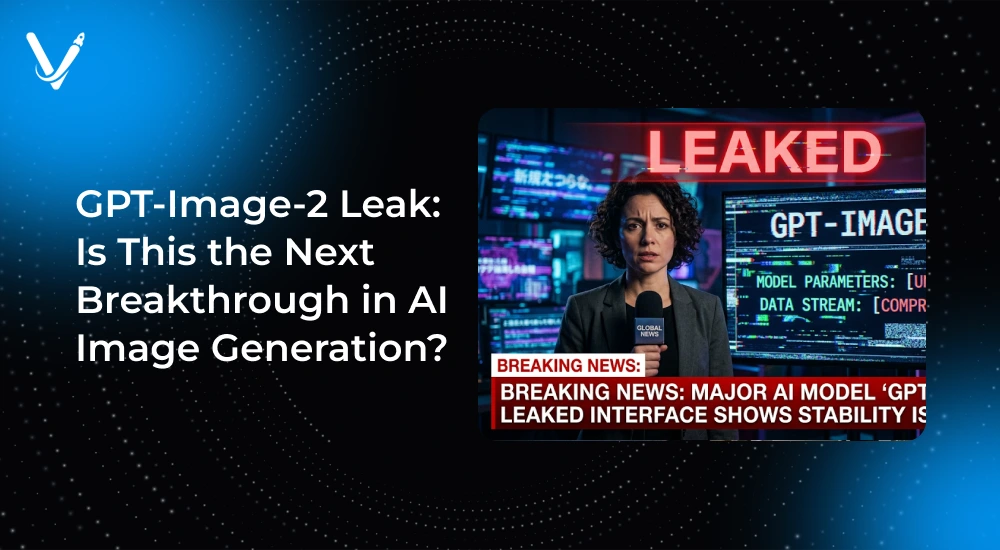
AI image tools are evolving fast, and every few months, a new model sparks debate across the tech community. Recently, discussions around gpt image 2 have gained momentum, especially among users exploring advanced visual generation tools. Many are calling it a potential upgrade to the current chatgpt image generator, while others see it as just another experimental phase in AI development.
What makes this topic interesting is not just the hype, but the implications. If these early insights are accurate, this new model could change how businesses, designers, and creators use an ai image generator in their daily workflows. However, it is important to understand that this is still a rumored development, not an officially confirmed release.
What Is GPT Image 2?
The term gpt image 2 is being used to describe a possible next-generation image model observed in testing environments and community comparisons. It has not been formally introduced, but early users claim to have interacted with a system that shows noticeable improvements over current tools.
From what is being discussed, this model appears to be an evolution of the existing chatgpt image generator, focusing on better image clarity, improved understanding of prompts, and more accurate outputs. Unlike traditional tools such as google image, which primarily retrieve existing visuals, this model aims to create entirely new content from scratch.
These early observations suggest that GPT Image 2 could be designed to bridge the gap between creativity and precision, offering users more control while maintaining simplicity.
Why GPT Image 2 Is Gaining Attention
One of the main reasons gpt image 2 is trending is the noticeable difference in output quality reported by users. Compared to earlier tools, it seems to produce images that feel more realistic and context-aware.
Another key factor is improved text rendering. Many current ai image generator tools struggle to generate readable text within images. Early examples of GPT Image 2 suggest that this limitation may be reduced, which is a significant step forward for use cases like marketing creatives and UI design.
There is also growing discussion around how it compares with experimental tools like nano banana and nano banana 2. While these models are also being tested in similar environments, GPT Image 2 appears to focus more on consistency and real-world understanding, rather than just visual quality.
GPT Image 2 vs Existing AI Image Generators
When comparing gpt image 2 with existing tools, the differences seem to lie in accuracy and usability rather than just design quality. Current versions of the chatgpt image generator are already capable, but they can sometimes misinterpret prompts or produce inconsistent results.
Traditional platforms like google image serve a different purpose. They help users find images, not generate them. This makes AI-based tools more flexible, especially for businesses that need custom visuals.
At the same time, most ai image generator tools today still require multiple attempts to achieve the desired result. If GPT Image 2 reduces this trial-and-error process, it could significantly improve productivity.
Key Features and Improvements
Based on early discussions and comparisons, several potential improvements stand out in gpt image 2:
- Better text accuracy: Generates readable and properly aligned text within images, which is useful for ads and UI designs.
- Enhanced realism: Produces more natural lighting, shadows, and proportions compared to older models.
- Improved context understanding: Interprets prompts more accurately, reducing the need for repeated edits.
- UI/UX generation capability: Creates cleaner layouts for apps and websites, making it useful for product teams.
These improvements suggest a shift from experimental creativity to practical usability, which is essential for business adoption.
Is GPT Image 2 Better Than Nano Banana Models?
The comparison between gpt image 2, nano banana, and nano banana 2 is still ongoing, and there is no clear winner yet. Each model seems to have its own strengths, depending on the use case.
GPT Image 2 appears to focus on balanced performance, combining realism with usability. On the other hand, nano banana models are often highlighted for their creative outputs and stylistic flexibility. This makes them appealing for artistic projects but not always ideal for structured business needs.
Instead of asking which model is better, it may be more useful to consider which one fits a specific requirement. For example, marketing teams may prefer consistency, while designers may prioritize creative freedom.
Business Impact of Advanced AI Image Generators
The rise of tools like gpt image 2 could have a strong impact on how businesses approach visual content. Companies are already using the chatgpt image generator to create social media posts, advertisements, and product visuals at a lower cost.
With improved accuracy and speed, these tools can reduce the need for manual design work. This does not replace designers but changes their role. Instead of creating everything from scratch, they can focus on refining and guiding AI-generated outputs.
For startups and small businesses, this shift is especially valuable. Instead of relying on expensive resources or searching through google image results, they can generate custom visuals tailored to their brand.
Risks, Limitations, and Reality Check
Despite the excitement, it is important to approach gpt image 2 with a balanced perspective. The biggest limitation is that it has not been officially confirmed. Much of the discussion is based on user observations and community testing.
There is also a risk of misinformation. As more people share examples and claims, it becomes difficult to verify what is accurate. This can lead to unrealistic expectations about what the model can actually do.
Another concern is consistency. Even advanced ai image generator tools can produce unpredictable results, especially with complex prompts. While improvements are expected, perfection is still unlikely.
Future of AI Image Generation
The development of tools like gpt image 2 points toward a broader trend in AI. Image generation is becoming more integrated with other capabilities, such as text understanding and user interaction.
In the future, we can expect AI systems that not only generate images but also understand business goals and user intent. This could lead to more personalized and efficient workflows, where a single tool handles multiple creative tasks.
Multimodal AI, which combines text, images, and other data types, will play a key role in this evolution. Instead of using separate tools, users may rely on unified platforms that deliver complete solutions.
Conclusion
The discussion around gpt image 2 highlights how quickly AI technology is evolving. While it is still in the early stages and not officially confirmed, the potential improvements suggest a meaningful step forward in image generation.
For businesses, this is an opportunity to rethink how visual content is created and used. Tools like the chatgpt image generator are already making an impact, and future advancements will only expand their capabilities.
At Vasundhara Infotech, we help businesses adopt and implement advanced AI solutions tailored to their needs. Whether it is integrating an ai image generator into your workflow or building custom AI systems, our team focuses on delivering scalable and practical results.



 Apr 7, 2026